







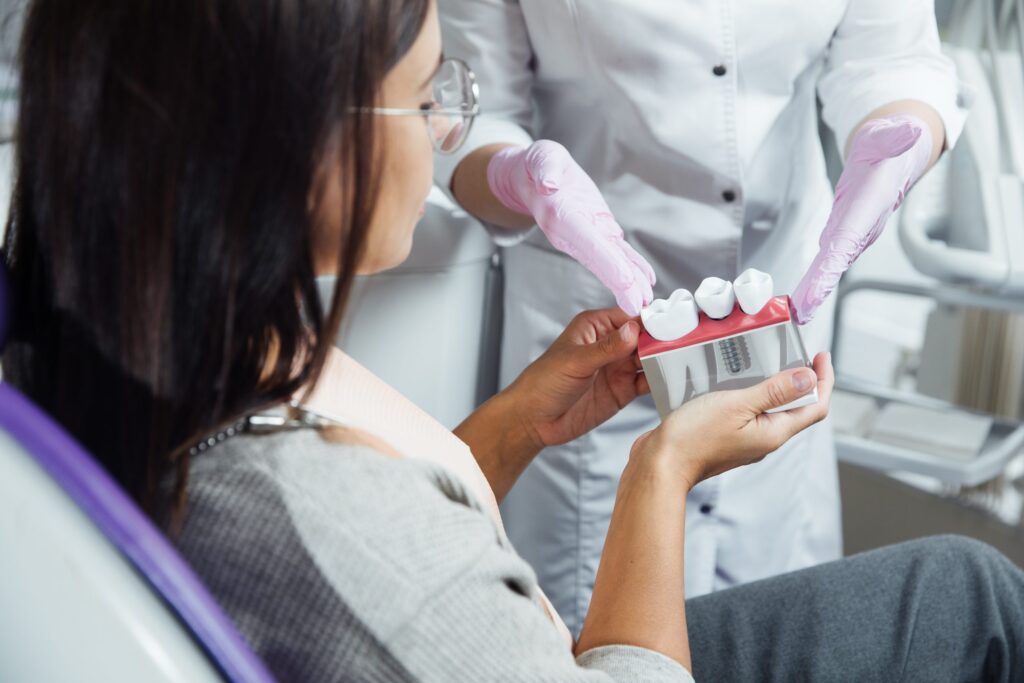
For individuals, who have invested in dental crowns in Lincoln, NE, to restore their smile, it’s essential to understand that the longevity of these restorations depends on more than just the quality of the crown itself. Diet and lifestyle habits play a significant role in determining how long dental crowns will last. From the foods and drinks we consume to our daily habits and routines, our choices can either support or undermine the health and durability of our dental crowns.
In this article, we’ll explore the impact of diet and lifestyle on dental crown longevity, providing valuable insights and practical tips for individuals who want to get the most out of their dental restorations.
What is The Importance of Diet in Maintaining Dental Crowns?
The food and drinks we consume play a significant role in the longevity of our dental crowns. Certain dietary habits can weaken the bond between the crown and the tooth, while others can cause the crown to deteriorate prematurely.
- Sugar and Acidic Foods: Consuming high amounts of sugar and acidic foods can lead to tooth decay and erosion, which can compromise the integrity of the crown. Bacteria in the mouth feed on sugar and produce acid, which can damage the tooth and crown.
- Hard and Brittle Foods: Chewing on hard and brittle foods, such as ice or hard candy, can cause the crown to chip or crack. This can lead to costly repairs or even require a new crown.
- Sticky and Chewy Foods: Foods like caramel, taffy, and dried fruit can stick to the crown and cause damage. These foods can also pull on the crown, loosening the bond between the crown and the tooth.
On the other hand, a diet rich in fruits, vegetables, and whole grains can help maintain the health and longevity of dental crowns.
What is The Impact of Lifestyle Habits on Dental Crowns Longevity?
In addition to diet, lifestyle habits can also affect the longevity of dental crowns.
- Smoking and Tobacco Use: Smoking and tobacco use can lead to gum recession, tooth decay, and crown failure. The chemicals in tobacco can also stain the crown, making it appear discolored.
- Teeth Grinding and Clenching: Grinding and clenching can put excessive stress on the crown, causing it to chip or crack. This habit can also lead to jaw pain and headaches.
- Poor Oral Hygiene: Failing to brush and floss regularly can lead to plaque buildup, gum disease, and crown failure. Regular dental check-ups and cleanings can help prevent these issues.
What Are The Tips For Maximizing Dental Crowns Longevity?
While some wear and tear on dental crowns is inevitable, there are steps you can take to maximize their longevity.
- Practice Good Oral Hygiene: Brush and floss regularly to prevent plaque buildup and gum disease.
- Avoid Harmful Dietary Habits: Limit your consumption of sugar, acidic foods, and hard and brittle foods.
- Wear a Mouthguard: If you grind or clench your teeth, wear a mouthguard to protect your crowns.
- Quit Smoking and Tobacco Use: Smoking and tobacco use can lead to a range of oral health issues, including crown failure.
- Attend Regular Dental Check-Ups: Regular dental check-ups and cleanings can help prevent issues with your crowns.
Conclusion
Dental crowns are a durable and effective solution for restoring damaged or decayed teeth. However, their longevity is not solely dependent on the quality of the crown itself, but also on the diet and lifestyle habits of the individual. By practicing good oral hygiene, avoiding harmful dietary habits, and attending regular dental check-ups, you can help maximize the lifespan of your dental crowns. Remember, a healthy smile is a long-lasting smile.