







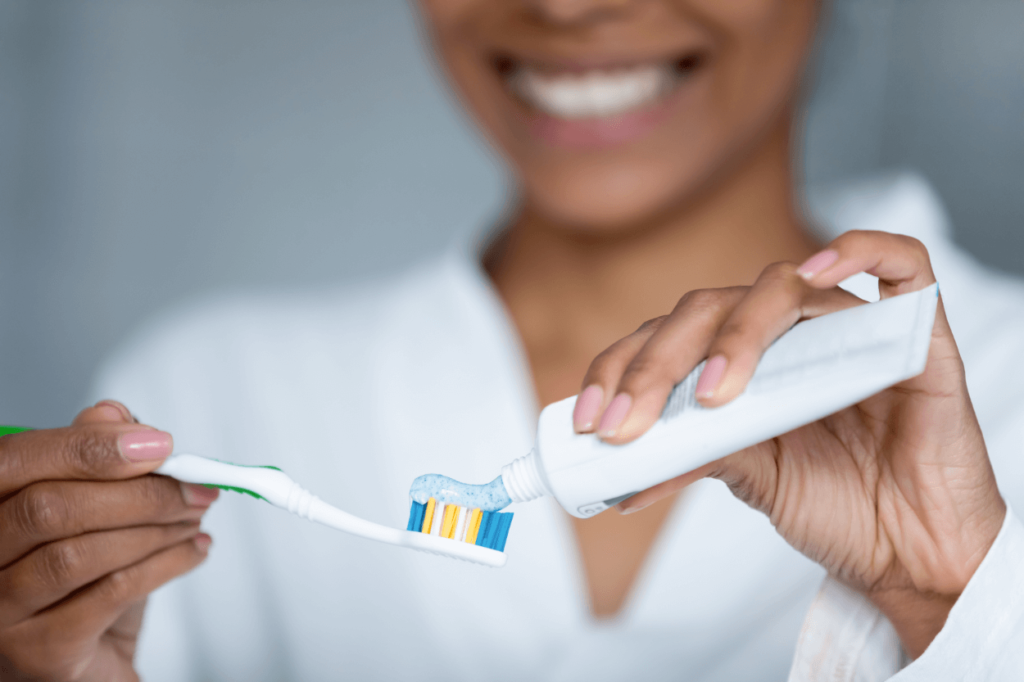
Your smile is greatly affected by your oral hygiene and the type of toothpaste you use. While you may find dozens of products marketed without fluoride and sold in the oral care aisle, it is best to turn to a pro for answers. For those looking for a dentist in Phoenix, Arizona, it’s important to be aware of these available choices to help promote good oral health. If fluoride-free toothpaste works well to clean your teeth, it is undeniable that fluoride toothpaste is more effective in preventing cavities, according to science. As a result, we will explore both of these so you can make a better decision.
What Is Fluoride?
It is a mineral that exists naturally in the soil, water, and air. The most important aspect of the mineral is it helps to develop the teeth and makes them resistant to decay. The saddest thing is that something so beneficial is that cavities reinforce the tooth enamel and repair damage already done by acids in the mouth, which helps in reducing cavities whenever they start. Due to its benefit of preventing cavities, it is common to find fluoride in most municipal water supplies.
Low fluoride levels do not harm the body, but the situation is different when its levels are higher since they manifest in the form of tooth spots, now referred to as dental fluorosis. This tells us the significance of ensuring fluoride is applied in specific measures.
Benefits of Fluoride-Free Toothpaste
- Better for Tooth Enamel
Children with minimal gene regulation affecting the teeth will have extra growth in their enamel and have excess texture, which, alongside the children’s natural fluoride, will create ample sufficiency for their enamel without the need for dental minerals.
- Fresher Breath
A lasting aftertaste of a chemical taste caused by fluoride. A mouthwash that does not contain fluoride can utilize natural products such as tea tree oil, coconut oil, xylitol, or aloe, which enhances the strength of breath and clears the mouth of bacteria.
- Healthier Gums
Fluoride can be harsh on sensitive teeth or gums and, in certain situations, even cause fluorosis. Switching to a non-fluoridated toothpaste can help restore balance without the chances of inflammation. Its combination with a soft-bristled toothbrush and the right brushing methods may help your gums become healthier over time.
- Safer for Children
Consuming fluoride in excess can be harmful for babies and young kids. There’s no more cause to worry about this after switching to a non-fluoride toothpaste and still achieving clean and healthy teeth. Natural toothpaste is chemical-free and is safe to apply on a baby’s teeth or gums, helping parents maintain their child’s oral hygiene.
Should You Use Fluoride-Free Toothpaste?
The choice of fluoride-free or fluoridated toothpaste relies on the situation at hand. The FDA says that using a small amount of fluoride toothpaste for kids can help prevent some cavities while still posing a risk of developing dental fluorosis. If they are allergic to fluoride, take in adequate amounts via food and water, or only prefer organic products, adults may switch to fluoride-free ones.
If you are worried about fluoride’s health effects, talk to your dental provider. They can assess fluoridation levels and suggest the most suitable oral hygiene products.
Conclusion
Your topical application also plays a key role in ensuring oral hygiene and improving oral health status. The same advice goes for those looking for fluoride-free and fluoridated options. Sit down with your dental practitioner to find what suits you and your family’s needs. Invest your time to care for your oral health and reap the benefits in the long run!