







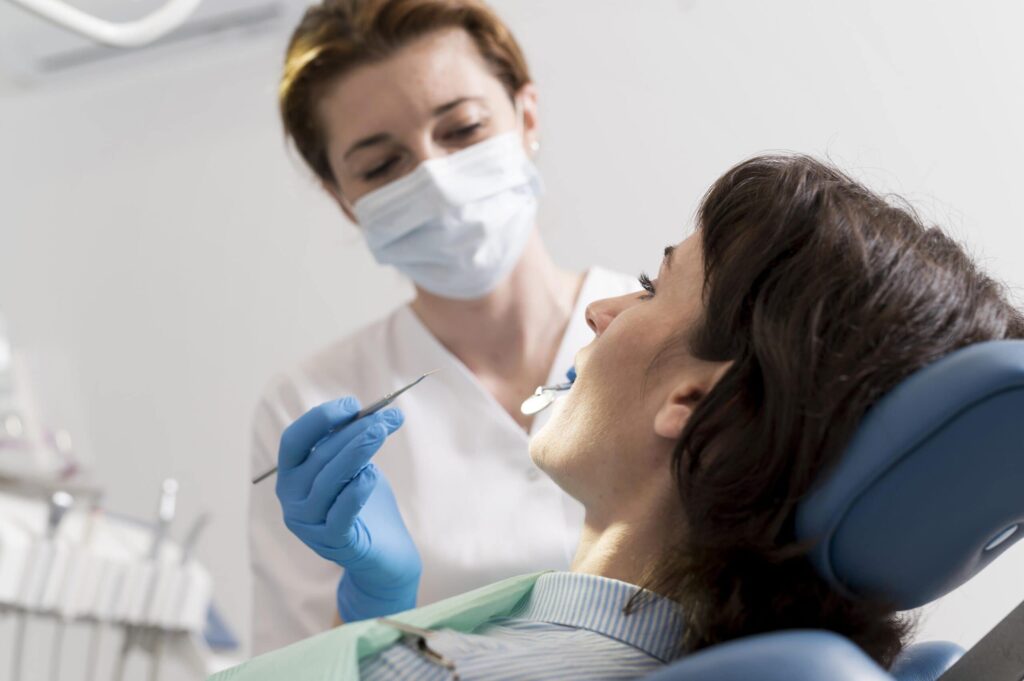
Do you have a broken tooth? If so, it’s daunting as teeth are the most rigid substance in your body, which must be extracted if it gets chipped or cracked! Emergency dentistry is consolidated on what happens when your tooth is completely knocked out of your mouth. Therefore, a cracked tooth condition falls under emergency dentistry, which may cause severe damage if not treated properly. Having a broken tooth makes eating and talking cumbersome.
When encountering this problem, your emergency dentist in Boynton Beach has several treatment preferences. One such probable intervention is to remove the impacted tooth. However, removing a chipped or cracked tooth has several advantages and disadvantages. Let’s discuss the risks and everything!
Dangers Associated With Cracked Teeth
A cracked tooth often leads to other issues. If left untreated, what you may consider a minor crack can have serious consequences, including injuring your tongue or the interior of your mouth on a sharp edge.
-
Infection and Abscesses
A cracked tooth might expose the inside pulp, creating the probability of an infection, which can be significantly distressing and perilous. For instance, an abscess or pus accumulating around your tooth root can form gradually. It doesn’t go away on its own and needs to be cured by a dental provider. If an infection in the tooth goes uncured for too long, you may become septic and even die.
-
Sensitivity to Cold, Head, and Pressure
The tooth root becomes exposed when a tooth gets cracked or chipped. Even the tiniest exposure may cause sensitivity and discomfort to cold and hot drinks or pressure on the tooth. You might go through the pain with even the smallest amount of pressure, for example, brushing or flossing your teeth.
-
Further Breaking and Tooth Loss
If you keep treating your severely cracked tooth usually, it may get chipped or cracked more until it splits apart. Moreover, cracks, which aren’t too lousy initially, can deteriorate with daily wear and tear.
Common Causes of A Broken Tooth
Similar to breaking bones, a cracked tooth is possible too! Several broken teeth result from eating or chewing rigid food, including nuts, candy, or ice. Some individuals may even bite down on a spoon or fork and fracture a tooth. Other possible causes of tooth fractures come from partaking in high-contact sports, such as boxing, martial arts, and hockey. They may get their teeth broken in car accidents or tripping.
Extraction Pro 1: May Be The Sole Way
Dental professionals might have the required skills and experience to intervene in several ways to resolve a broken tooth or manage other issues in the mouth. It doesn’t imply there’s a strategy every time. A patient’s fractured tooth might be so severe that there’s no scope of saving it by using any treatment strategy. Sometimes, removal might be the best way to go, which might be true if there’s not adequate space in the jaw to adjust the tooth.
Extraction Pro 2: Financial Constraints
Some dental processes are challenging financially. Some individuals might even postpone or ignore a vital treatment since they don’t have adequate money to pay for it. Mending a fractured tooth needs a massive financial commitment. In contrast, having a tooth out won’t increase one’s monetary burden.
Extraction Con 1: Formation of Pits
Once chipped tooth extraction is done, a pit might form where the tooth was, which isn’t common but might happen. Consequently, infections might spread! Another significant concern is that the pits might impact surrounding teeth, too!
Conclusion
Several types of cracked teeth are there, including fractured cusp, craze lines, split teeth, and vertical root fractures. Once you get one of these cracked tooth types, you may experience discomfort when biting, chewing, and swelling the gum around the impacted tooth. Therefore, extraction is essential!