

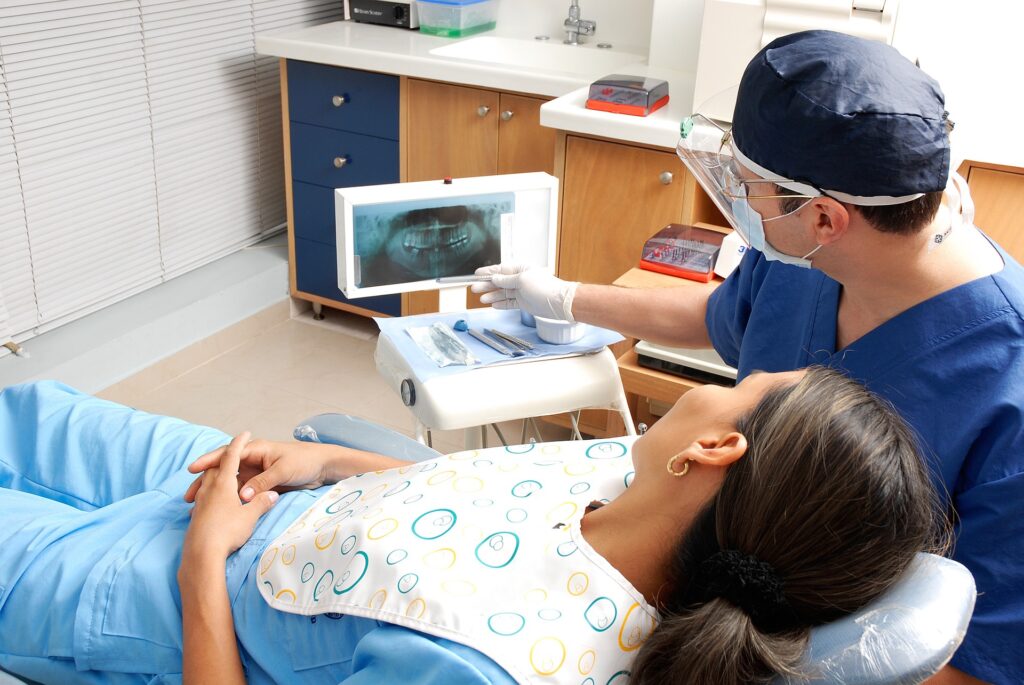

Have you got an abscessed tooth? The treatment options from a dental office in Livonia include using antibiotics to destroy the bacteria infection causing the abscess or draining it. If the condition is intense, the process might require root canal therapy or tooth removal to protect the tooth or impede the infection from dispersing and deter the uncomfortable symptoms.
You must visit an emergency dentist to cure the dental abscess quickly. Several treatment options are available that your emergency dentist might recommend to cure an abscessed tooth. Let’s consider the best ways to treat this severe condition!
Abscessed Tooth: Overview
It’s also known as a dental abscess, a pocket of pus usually resulting from a bacterial tooth infection. They can occur when the tooth root is exposed, for example, when there’s profound tooth decay, acute gum recession, and a tooth crack. Some examples of dental abscessed teeth start with minimal symptoms that progressively deteriorate. An abscessed tooth can be intensely painful if left untreated for too long. Some of the leading symptoms of an abscessed tooth are the following:
- Tooth Sensitivity
- Fever
- Intense toothache
- Swelling of the gums
- Swollen lymph nodes
Seeking emergency dental care is vital if the above symptoms don’t disappear within a day. Otherwise, the infection might disperse to other portions of the mouth and cause long-term injury to your mouth and teeth.
How Does An Emergency Dentist Treat an Abscessed Tooth?
Knowing what treatments your emergency dentist might conduct for an abscessed tooth that needs instant care is essential. Below is an in-depth illustration of the most common abscess treatment methods.
Antibiotic Medication – An abscessed tooth results from bacterial growth inside the tooth’s root. Antibiotics are effective in curing bacterial infections. The emergency dentist might prescribe some antibiotics and other types of treatment, which don’t usually address the underlying reason for the abscess.
Drain the Abscess – One of the suitable treatment methods for a dental abscess is to drain it; however, it’s not an available option, mainly when the abscess is intense and needs quick treatment. If the emergency dentist suggests this treatment strategy, they will execute the process by cutting the portion to access the abscess and making a minor cut. Afterward, they allow the pus to drain from the abscess before cleaning the impacted region with saline and shutting the incision.
Tooth Extraction – An abscessed tooth can’t be restored in several instances. When this is the condition, your emergency dentist can remove the tooth safely and drain the abscess. After that, if the patient wants it, they can either link them to a provider of tooth replacement or commence the procedure of replacing the patient’s teeth. This must extract the infection and alleviate the abscessed tooth symptoms to aid the patient in feeling pain-free.
Root Canal Therapy – It’s a leading way to recuperate an infected tooth’s health. This process includes drilling the tooth and extracting the abscess and diseased pump inside the pulp chamber inside the tooth’s root. They can clean the tooth precisely and fill the tooth with a material called gutta-percha. In most instances, the emergency dentist places a dental crown over the tooth to recuperate its shape, size, and function. This safeguards the tooth from further harm and corrects your tooth’s appearance.
Conclusion
The recovery post-abscessed tooth extraction depends on the dental abscess treatment method. The patient might need to organize a ride to reach home, mainly if the process involves anesthesia. Keeping your mouth clean is vital to prevent your other tooth from getting abscessed. A mild food and water diet is required for a few days post-surgery.